
Call: 07971549628
 Send Inquiry
 Send Inquiry
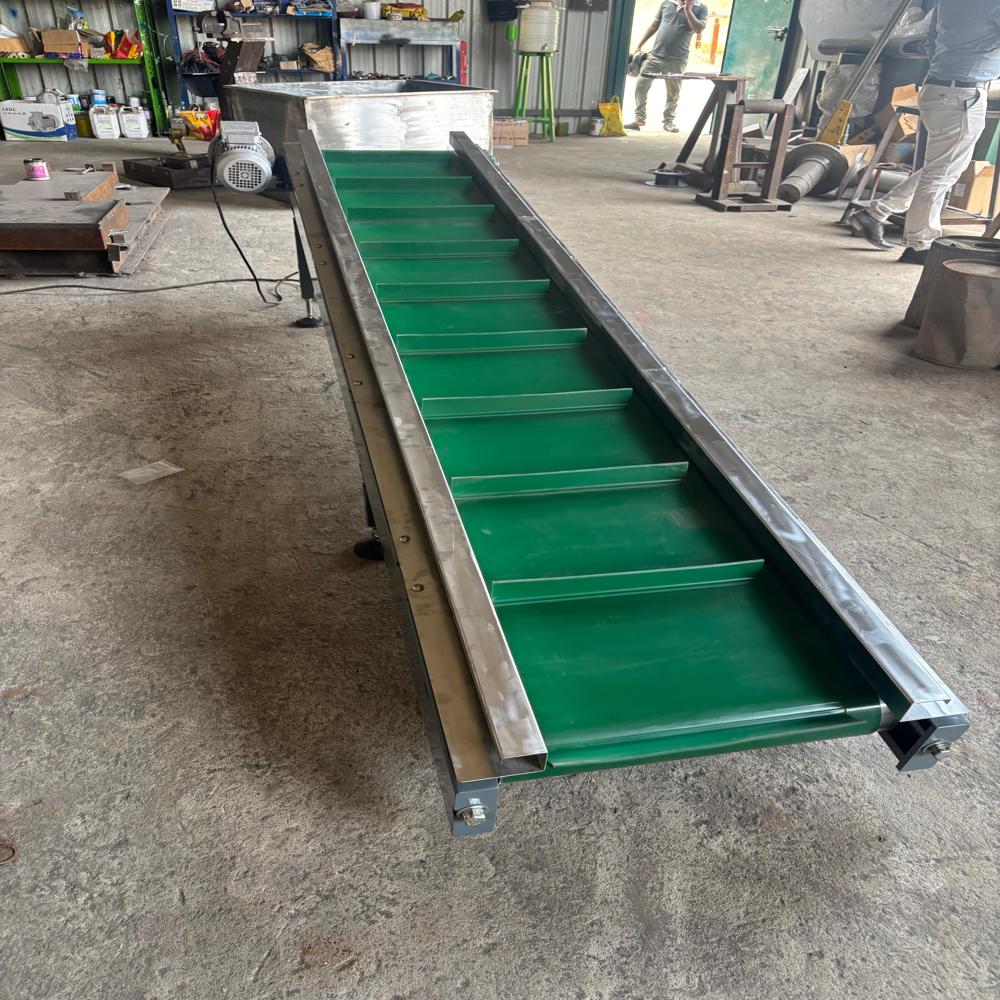
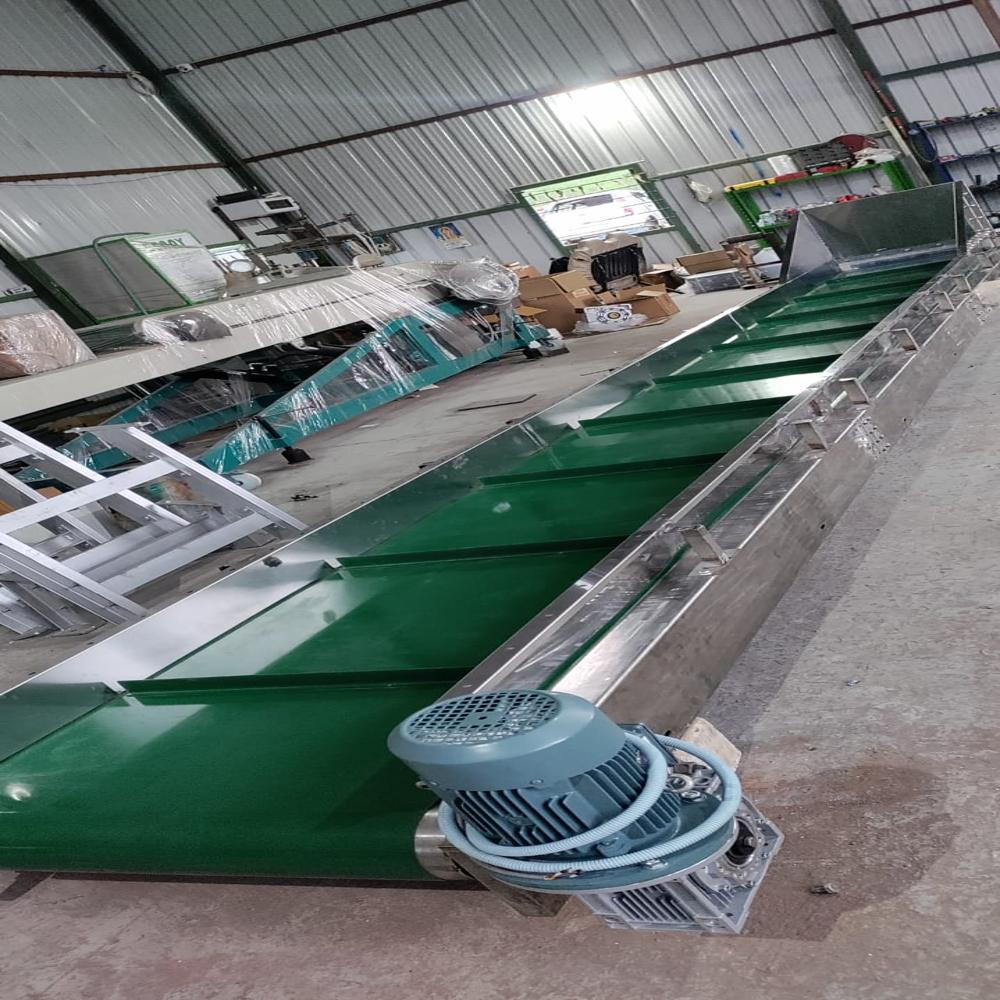
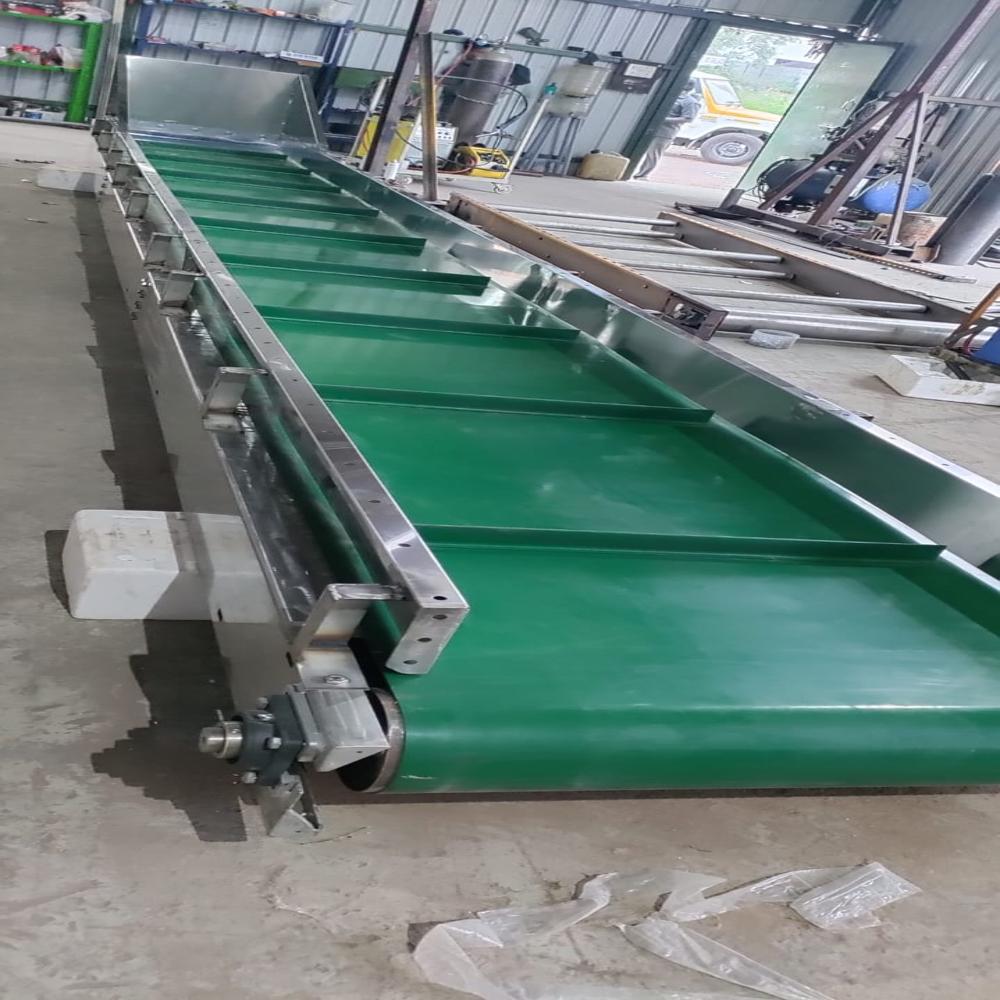
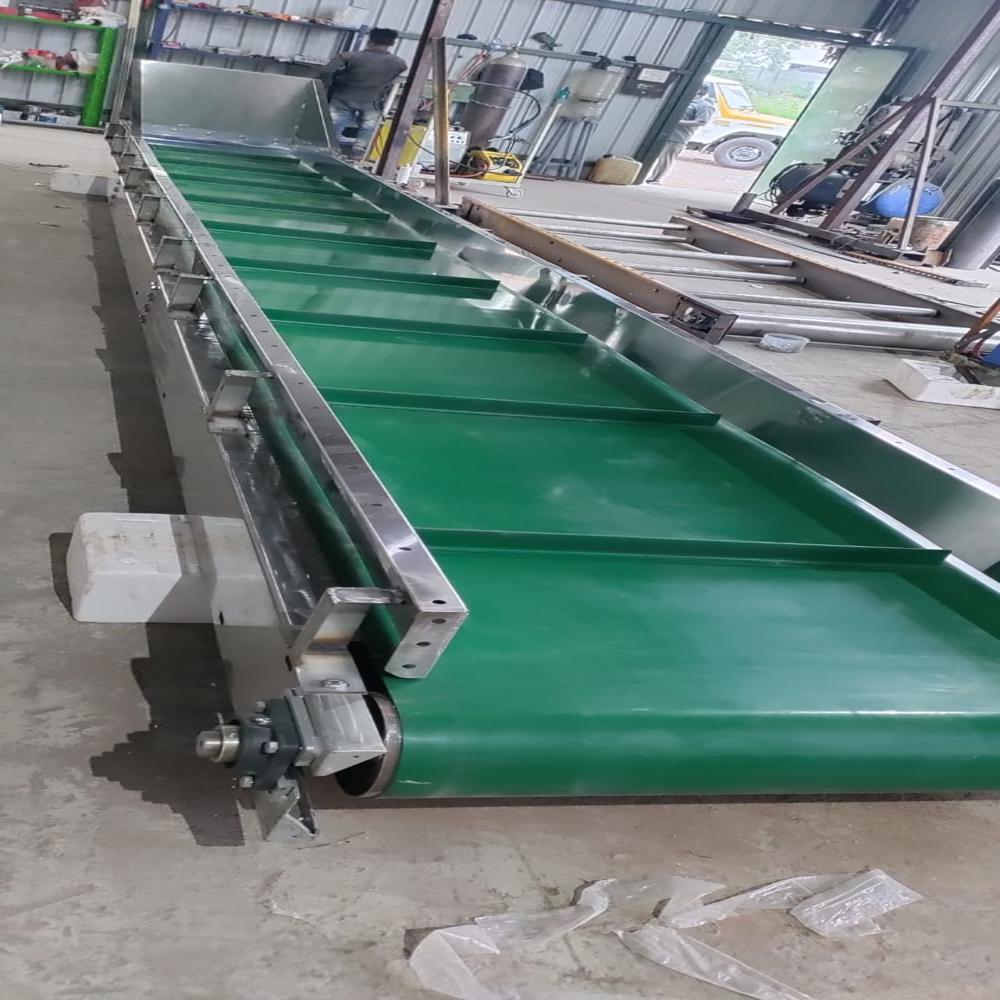
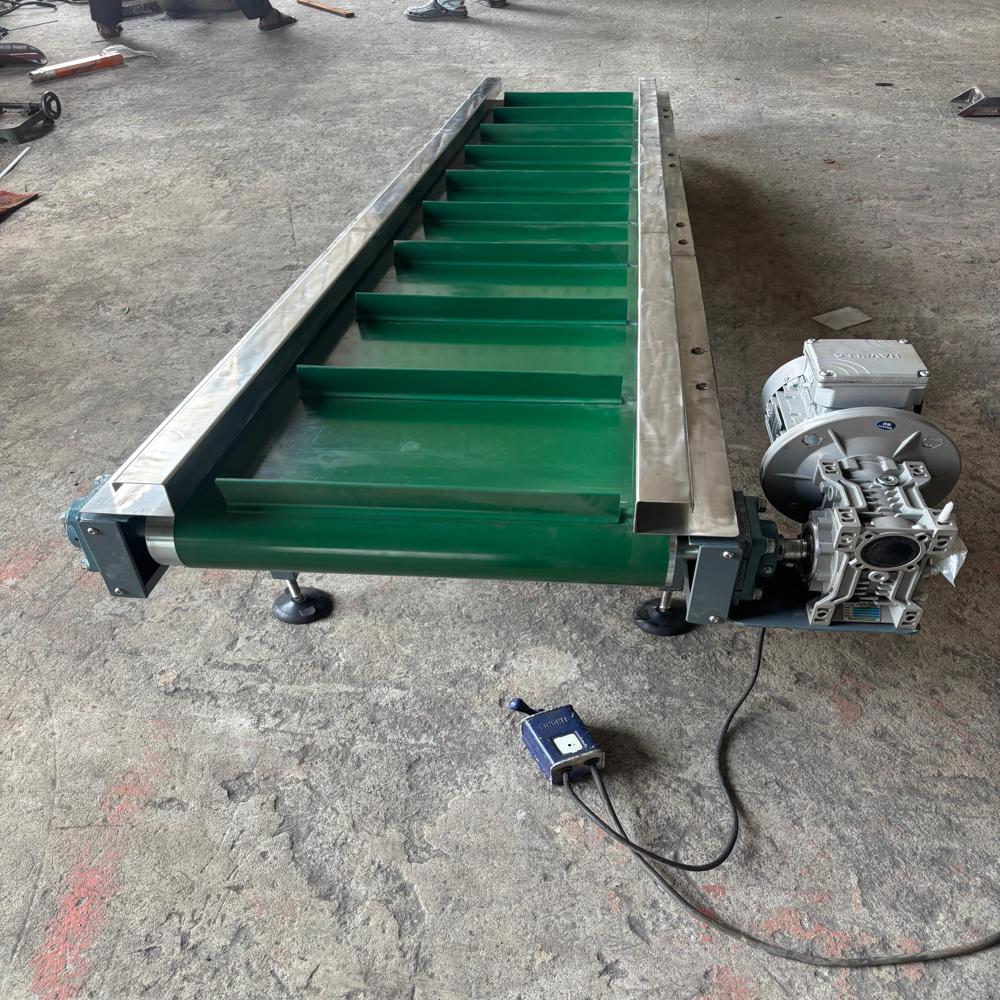
Fixed Belt Conveyor
Price 25000.0 INR/ Meter
MOQ : 1 Meter
Fixed Belt Conveyor Specification
- Belt Type
- Endless or Jointed as per requirement
- Surface Finish
- Powder Coated
- Thickness
- 5-20 mm (belt)
- Power Source
- Electric
- Features
- Long operational life, high efficiency, easy installation, low maintenance
- Material
- Rubber/PU/PVC Belt with Steel Frame
- Type
- Fixed Belt Conveyor
- Structure
- Mild Steel/Steel Frame
- Belt Conveyor
- Yes
- Roller Conveyor
- No
- Vertical Conveyor
- No
- Pneumatic Conveyor
- No
- Resistant Feature
- Heat and Oil Resistant
- Load Capacity
- 50 Kilograms (kg)
- Voltage
- 220V/380V (customizable)
- Power
- 2-15 kW depending on model
- Speed
- 0.5-2.5 m/s (adjustable)
- Usage & Applications
- Mining, cement, ports, warehouses, logistics, and bulk material handling
- Operating Temperature
- -10C to 60C
- Conveyor Direction
- Unidirectional
- Noise Level
- Less than 70 dB
- Installation
- Fixed Floor Mounted
- Length
- 5 m to 50 m
- Belt Width
- 300 mm to 1200 mm
- Control System
- Manual / Automatic Optional
- Incline/Decline Capability
- Customizable as per requirement
Fixed Belt Conveyor Trade Information
- Minimum Order Quantity
- 1 Meter
- Delivery Time
- 5-7 Days
About Fixed Belt Conveyor
Fixed Belt Conveyor Description
A Fixed Belt Conveyor is a stationary material handling system used for the continuous transportation of bulk materials or packaged goods from one location to another. It consists of a conveyor belt driven by a motorized pulley and supported by rollers or a slider bed. Fixed belt conveyors are widely used in manufacturing, warehouses, foundries, mining, and packaging industries for efficient and reliable material movement.
Features:
- Robust and durable construction
- Continuous and smooth material handling
-
Versatile Customization for Diverse Applications
This belt conveyor is engineered with flexibility in mind, boasting options for belt width, color, and voltage to match various project requirements. Whether deployed in mining, logistics hubs, or cement production, the structure, material choices, and length adaptability deliver optimal performance for different bulk material handling tasks.
Durable Construction and Low Maintenance
Manufactured with a mild steel or steel frame and a powder-coated finish, the conveyor ensures longevity even in challenging environments. The heat and oil-resistant rubber, PU, or PVC belts, with thicknesses of 5-20 mm, reduce wear and tear, contributing to minimal maintenance demands and reduced downtime.
Efficient and Safe Material Transport
The fixed belt conveyor operates at adjustable speeds, with noise levels less than 70 dB for a quieter workplace. Its drive system, including a motor and gearbox, supports smooth material movement up to a conveyor angle of 20 degrees. This makes it an excellent choice for continuous, high-capacity transport with enhanced worker safety and operational efficiency.
FAQ's of Fixed Belt Conveyor:
Q: How is the belt width of the fixed belt conveyor customized?
A: The belt width can be customized between 300 mm and 2200 mm depending on your specific requirements. When placing an order, you can specify the desired width to match your application's material and throughput needs.Q: What installation process is required for this conveyor?
A: The conveyor is designed for floor-mounted installation. It comes with detailed installation guidelines, allowing for straightforward setup by technicians. Manufacturer support is often available for assembly and commissioning, ensuring proper alignment and operation.Q: When is it appropriate to use this fixed belt conveyor?
A: This conveyor is suitable for continuous bulk material handling operations, such as in mining, cement plants, ports, warehouses, logistics centers, and other places where high efficiency and reliability are essential for moving large quantities of material.Q: Where can this conveyor be used most effectively?
A: It is highly effective in industrial environments that require long-distance, uninterrupted transport of materials. Ideal settings include processing plants, shipping terminals, and distribution warehouses where space allows for floor-mounted installation.Q: What are the benefits of the conveyor's heat and oil resistance features?
A: The heat and oil resistant properties of the belt minimize degradation when handling heated, oily, or abrasive materials. This extends the operational life of the conveyor belt, reduces replacement frequency, and maintains performance under demanding conditions.Q: How does the manual and automatic control system work?
A: The conveyor offers both manual and automatic operational modes. Manual control allows users to manage operations directly, while automatic control integrates with sensors or centralized systems for streamlined and efficient material handling.Q: What is the advantage of the adjustable speed feature?
A: With adjustable speed (0.5-2.5 m/s), you can optimize material flow according to process needs, reducing material spillage and improving throughput. It allows for flexibility in managing different types of loads and operational conditions.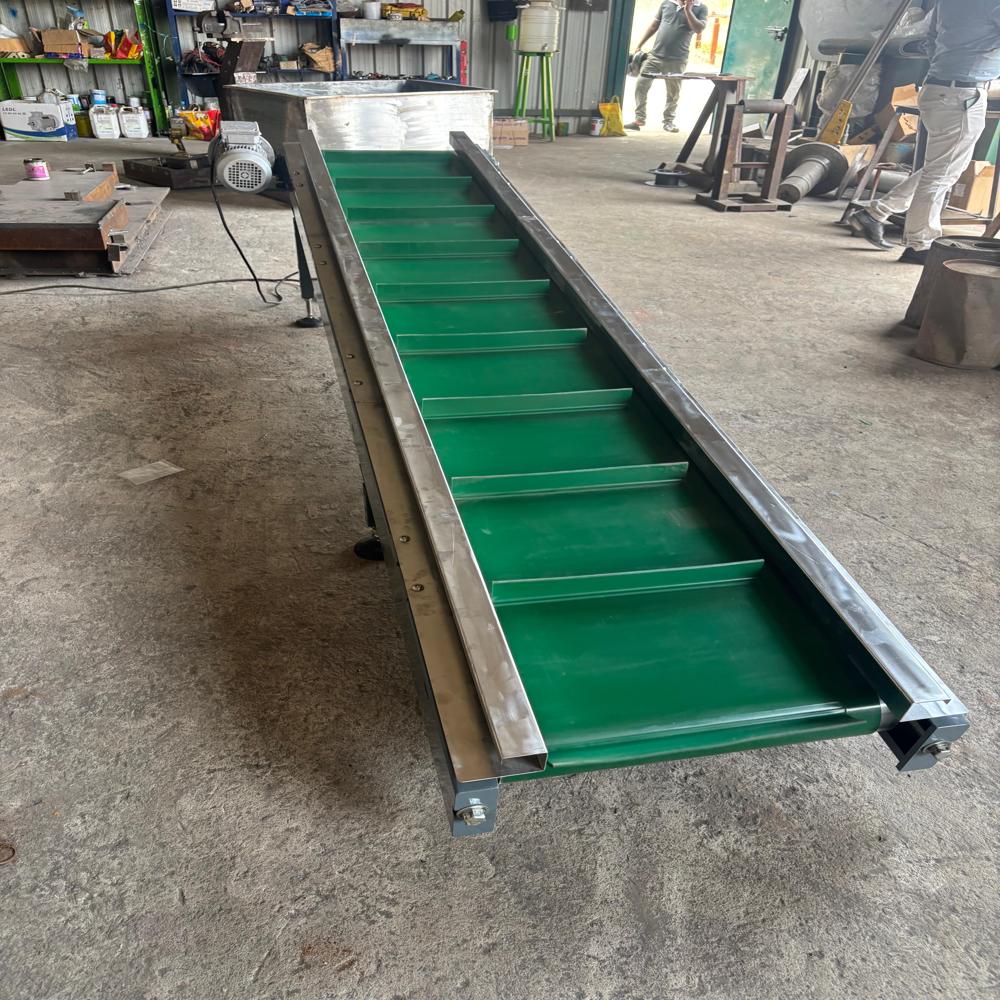
Tell us about your requirement

Price:
Quantity
Select Unit
- 50
- 100
- 200
- 250
- 500
- 1000+
Additional detail
Mobile number
Email

More Products in Conveyor Systems And Components Category
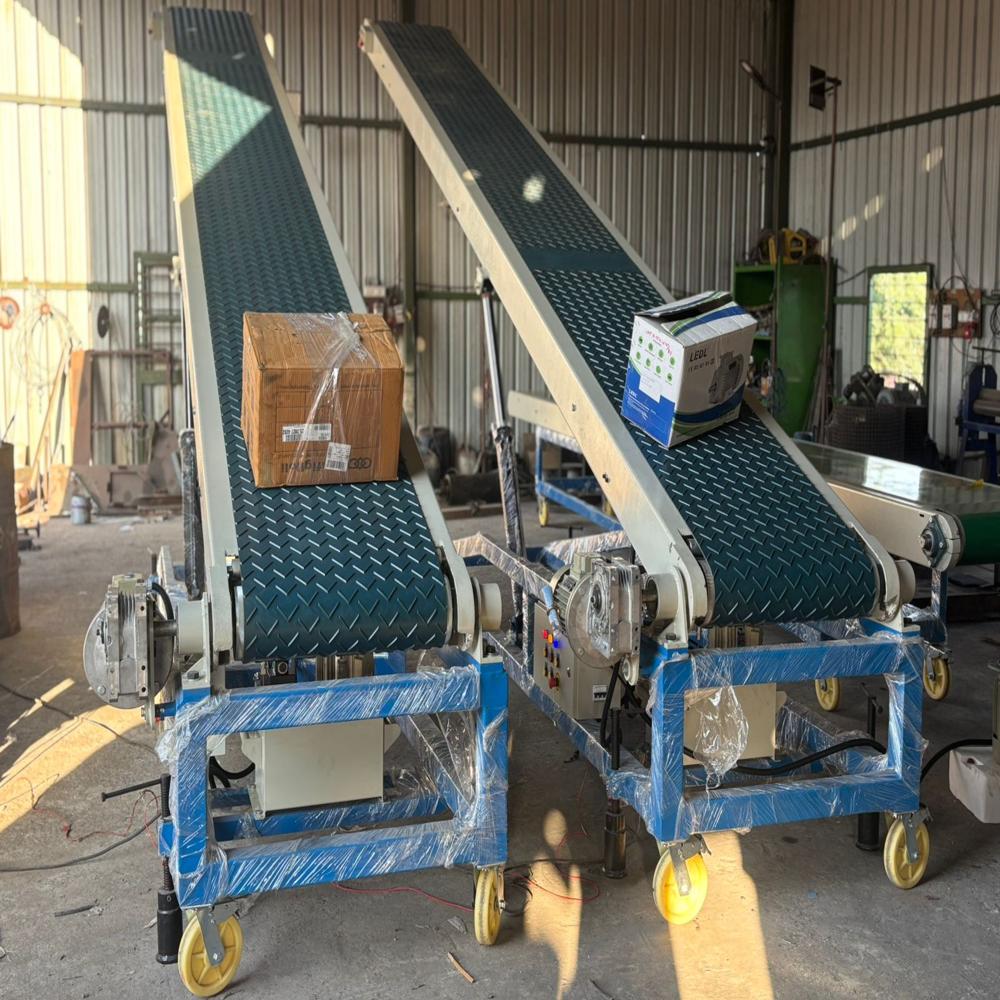
Truck Loading System
Price 54000.0 INR / Meter
Minimum Order Quantity : 1 Meter
Warranty : 12 month
Usage : Box & Any product
Color : Green & Any Color
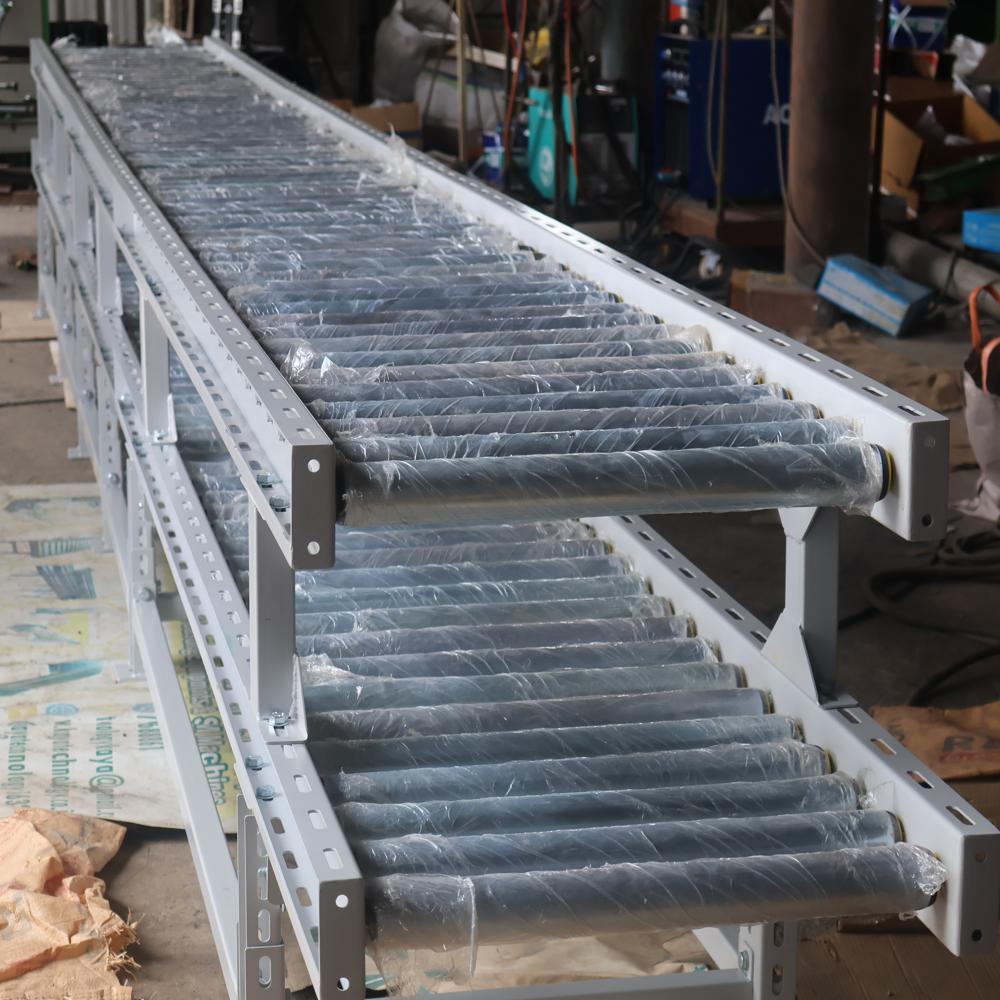
Roller Conveyor - M.S
Price 35000.0 INR / Meter
Minimum Order Quantity : 1 Meter
Warranty : 12 Month
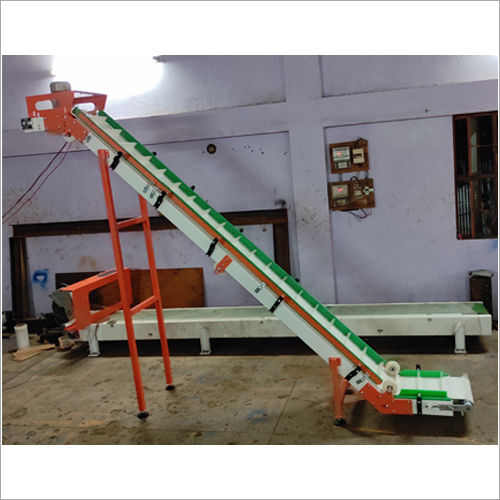
Z Type Belt Conveyor
Price 45000.0 INR / Piece
Minimum Order Quantity : 1 Piece
Warranty : 1 Year
Usage : Industrial
Color : White
Product Type : 36Z Type Belt Conveyor
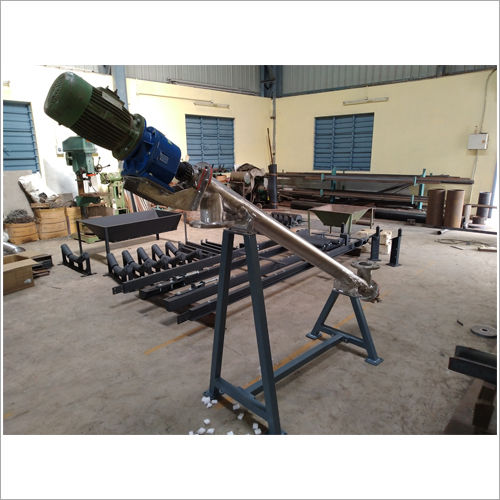
Screw Conveyors
Minimum Order Quantity : 1 Piece
Warranty : 1 Year
Usage : Industrial
Color : Black
Product Type : Screw Conveyors

Contact Details
KAYA TECHNOLOGY
GST : 33AZPPN9527R1ZA
- SF.No.8/4, Ramachandran Industrial Estate, Near Balaji Weigh Bridge, Madukkarai,Coimbatore - 641105, Tamil Nadu, India
- Phone :07971549628
 Send Inquiry
Developed and Managed by Infocom Network Private Limited.
